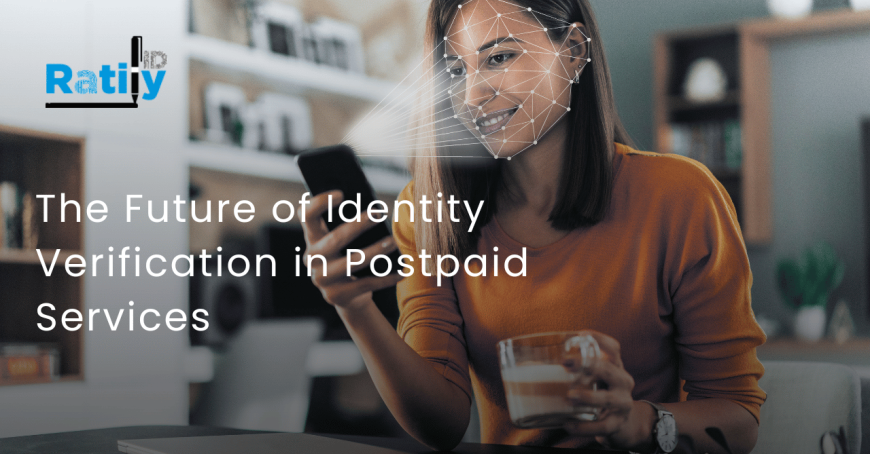
Postpaid services are built on trust. Businesses provide products or services first and rely on customers to pay later, making it essential to know exactly who they're dealing with. Whether it's a utility provider, telecommunications company or another postpaid business, strong identity verification helps prevent fraud, reduce financial risk and build trusted customer relationships from the very beginning.
As customer expectations evolve, businesses need a faster and more secure way to verify identities without compromising privacy. Australia's digital identity framework makes this possible by enabling organisations to verify customers through trusted, government-accredited providers instead of relying on manual checks or storing sensitive identity documents. In this article, we'll explore why ID verification Australia is becoming a business priority and how a trusted digital ID verification solution is helping organisations strengthen security while improving the customer experience.
Why Identity Verification Is More Than a Compliance Requirement
Many businesses still think of identity verification as something they need only to satisfy regulatory requirements. In reality, it's one of the most important risk management tools a postpaid business can invest in. When customer identities aren't properly verified, businesses face challenges that extend well beyond compliance penalties.
Common Risks of Poor Identity Verification
- Fraudulent applications using fake or stolen identities.
- Customers who never intend to pay for services.
- Higher debt recovery and collection costs.
- Increased operational workload from manual verification.
- Greater exposure to privacy and cybersecurity risks.
Every fraudulent account represents more than a missed payment. It creates additional administrative work, consumes staff resources, and can damage customer confidence if security incidents occur. For businesses offering postpaid services, preventing these issues before an account is created is far more effective than trying to resolve them later.
Key Takeaway: ID verification is not simply about confirming a customer's name, it's about protecting revenue, reducing fraud, and creating long-term business stability.
The Customer Perspective Matters Too
Verification doesn't only protect the business, it protects genuine customers. People are increasingly aware of privacy and cybersecurity risks and want assurance their information is handled securely and shared only when necessary.
Slow verification, or having to repeatedly upload documents, breeds frustration and can put customers off before they've even signed up. A secure digital identity process lets customers verify faster, share less sensitive information, and access services with fewer delays, all while feeling confident their identity is protected. Stronger verification reduces risk for the business and gives customers peace of mind. That's a win on both sides of the transaction.
Why Traditional Identity Verification Is No Longer Enough
Many organisations still rely on traditional identity checks that require customers to upload identification documents or manually provide personal information. Although these methods have been standard practice for years, they introduce several challenges.
Challenges with Traditional Verification
Businesses that collect passports, driver's licences, or other identification documents also become responsible for protecting that information. This means investing in cybersecurity, maintaining strict compliance processes, and preparing for the possibility of data breaches. Even businesses with strong security measures remain attractive targets for cybercriminals because identity information is highly valuable. Rather than increasing security, storing sensitive information often increases business risk.
Australia's Digital Identity Framework Is Changing the Way Businesses Verify Customers
The introduction of the Digital ID Act 2024 marked a significant step forward for identity verification in Australia. Rather than requiring businesses to build and manage complex identity verification systems, the legislation introduced a government-backed framework that makes verifying customers both more secure and more efficient.
Instead of collecting and storing sensitive identity documents themselves, businesses can now verify customers through trusted, accredited digital identity providers. This creates a better outcome for everyone involved.
What This Means for Businesses
With an accredited digital ID verification solution, organisations can:
- Verify customer identities using trusted government-backed credentials.
- Reduce the amount of sensitive personal information stored internally.
- Strengthen compliance with Australian privacy regulations.
- Minimise the risk of identity fraud and account misuse.
- Deliver a faster and more consistent onboarding experience.
For customers, the process feels simpler. For businesses, it significantly reduces operational and compliance burdens. One of the accredited providers helping organisations achieve this is Ratify ID. As a provider listed on the Australian Government's official register, Ratify ID enables businesses to confidently verify customer identities while meeting the highest standards for security and privacy.
Why Digital Identity Is a Smarter Approach for Postpaid Businesses
For postpaid organisations, every new customer represents both an opportunity and a potential financial risk. Traditional verification methods often rely on manual reviews, document uploads, and lengthy approval processes. While these methods may identify some fraudulent applications, they also create delays for genuine customers and require businesses to manage sensitive personal information.
Digital ID verification changes that balance. Instead of relying solely on documents supplied by customers, businesses can verify identities through trusted digital credentials, creating a faster, safer, and more reliable onboarding process. Here's how postpaid businesses benefit.
Reduced Fraud Before It Happens
Fraud prevention is far more effective than fraud recovery. When identities are verified using trusted digital credentials rather than self-declared information, it becomes significantly harder for fraudsters to create fake accounts or use stolen identities. This helps businesses:
- Reduce fraudulent applications.
- Prevent account takeover attempts.
- Protect revenue before services are delivered.
- Minimise financial losses associated with bad debt.
Rather than reacting to fraud after it occurs, businesses can stop many risks before an account is even created.
Better Debt Recovery Through Verified Customers
One of the biggest challenges in postpaid services is recovering unpaid accounts. If customer information is inaccurate or intentionally false, collections become difficult and sometimes impossible. Verified identities provide greater confidence that customer records are genuine, making account management more reliable throughout the customer lifecycle. The result is:
- More accurate customer records.
- Easier account management.
- Improved debt recovery outcomes.
- Reduced administrative effort for finance teams.
Knowing exactly who your customer is creates greater certainty when managing ongoing accounts.
Lower Compliance and Data Management Costs
Many organisations underestimate the ongoing cost of storing customer identity information. Holding copies of passports, driver's licences and other identification documents means businesses must continually invest in:
- Cybersecurity.
- Data storage and management.
- Privacy compliance.
- Security monitoring.
- Internal governance processes.
By using an accredited digital identity provider, much of this responsibility is significantly reduced because businesses no longer need to retain large volumes of highly sensitive identity information. That doesn't just improve security. It also allows organisations to focus more of their resources on serving customers rather than managing compliance obligations.
How Customers Benefit From Digital Identity Verification Services
Identity verification isn't only about reducing business risk. It also creates a better experience for customers, something that's becoming increasingly important as people expect faster, safer and more convenient digital services.
Think about the last time you signed up for a new service. Nobody enjoys filling in lengthy forms, uploading multiple documents or waiting days for manual approval. Customers expect the process to be simple without compromising their privacy. Digital identity verification helps deliver exactly that.
Customers Experience Several Important Benefits
A faster onboarding journey: Customers can verify their identity more efficiently, allowing services to be activated sooner without unnecessary delays.
Greater privacy protection: Rather than sharing copies of identity documents with multiple organisations, customers can verify themselves through trusted digital identity providers, helping reduce unnecessary exposure of personal information.
More confidence in security: Knowing their identity is being verified through an accredited framework gives customers greater confidence that their personal information is being handled responsibly.
Less paperwork: Digital verification removes much of the repetitive documentation traditionally required during onboarding, making the entire process more convenient.
A better first impression: The onboarding experience often shapes how customers perceive a business. A smooth, secure verification process demonstrates professionalism and builds trust from the very beginning.
Ultimately, identity verification is no longer just a protective measure behind the scenes. It's becoming an important part of the overall customer experience, helping businesses build stronger relationships while giving customers greater confidence in the organisations they choose to work with.
The Future of Identity Verification Starts Now
Digital transformation is reshaping banking, healthcare, telecommunications and utilities alike. Customers now expect onboarding in minutes, not days, with their information protected throughout. Identity verification sits at the centre of that shift.
Businesses still relying on manual checks or large stores of customer data may struggle to keep pace with expectations, cybersecurity risk and evolving regulation. Those adopting digital identity now are setting themselves up for the long run, with less fraud, faster onboarding, stronger compliance and greater customer trust.
As postpaid services evolve, identity verification will shift from a compliance exercise to a genuine competitive advantage. Businesses that get ahead of it now, rather than reacting once fraud or compliance pressure builds, get to modernise on their own terms.
Key Takeaway: Trust has always underpinned postpaid services, but how that trust is established has changed. A secure digital identity solution reduces fraud, strengthens compliance, simplifies operations and speeds up onboarding, while giving customers greater privacy and confidence in return.
Ready to Modernise Your Identity Verification Process?
Whether you're a telecommunications provider, utility company or other postpaid service business, a trusted digital ID verification solution can reduce risk while improving the customer experience.
Ratify ID offers a secure, government-accredited approach to identity verification, helping businesses verify customers with confidence while supporting privacy, compliance and long-term growth. Get in touch with the Ratify ID team to explore how digital identity can future-proof your onboarding process.